An oil and gas company in Indonesia conducted a study related to MIC (Microbiologically Influenced Corrosion).
The study evaluated whether there was significant bacterial growth at several sampling points that could potentially lead to corrosion in oil and gas pipelines.
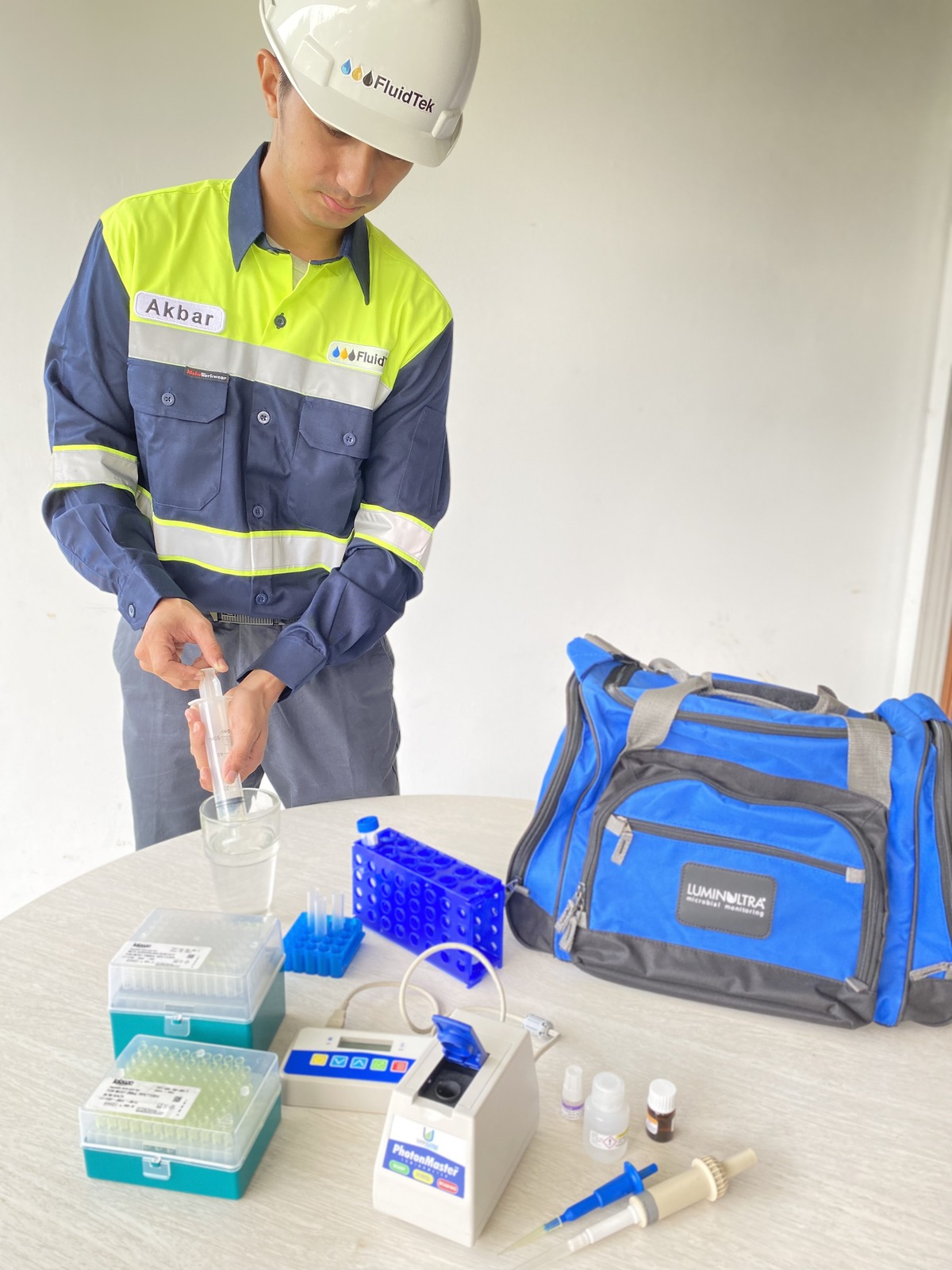
Fluidtek proposed LuminUltra ATP 2nd Generation testing with QGOM test kit as a rapid microbial monitoring tool.
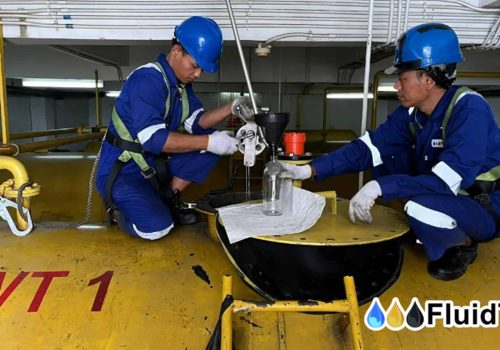
In July 2025, the campaign tested 31 sampling points, and all data were successfully collected within four days.
The results indicated that several sampling points fell into the moderate category, meaning that preventive actions were required. Sampling points classified as moderate needed to be closely monitored and trended further, as there were indications of possible contamination sources.
Follow-up monitoring was conducted in December; Several of these points still showed high ATP values. As a result, the company decided to proceed with NGS (Next-Generation Sequencing) testing. This testing obtained a detailed microbial profile of the samples, including identification and quantification of the microorganisms present.
The NGS results show several samples detected MIC abundance with various metabolic organisms, not only SRB. These results allowed the company to determine corrective actions, including the selection of appropriate biocides to effectively control the identified microorganisms.