Pulp & Paper Lube

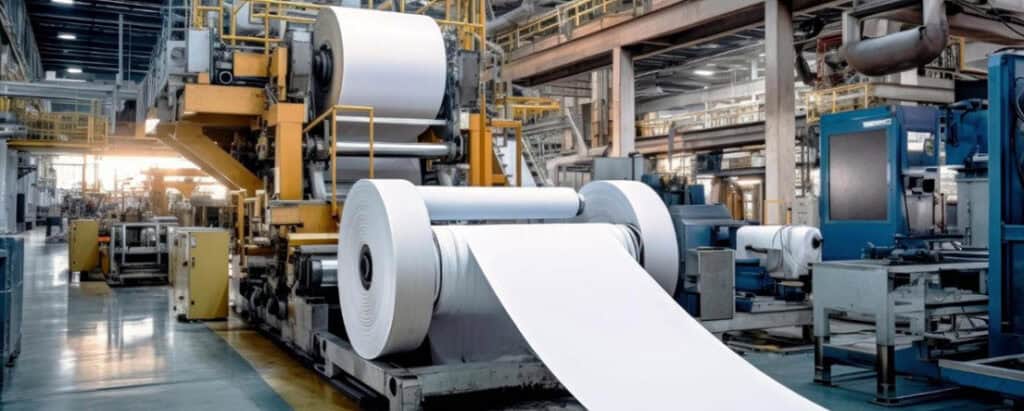
Lubrication in the pulp and paper industry is a significant engineering challenge because the equipment must operate 24/7 in some of the most hostile industrial environments—characterized by extreme moisture, high temperatures, and chemical exposure. Lubricants protect components such as bearings, gears, cylinders, and rollers from direct contact, wear, and overheating. Press and drying sections, in particular, face extreme conditions: heat, mechanical load, and constant proximity to water
FluidTek have solutions for optimising operational control and thereby minimizing unplanned downtime.
Other Benefits

As the industry moves toward renewable energy and high-efficiency infrastructure, lubrication performance requirements have become significantly more demanding. To manage these critical operating conditions, organizations must adopt sophisticated lubrication monitoring and control to support comprehensive maintenance strategies that minimise unplanned downtime.

To maintain seamless operational continuity and mitigate the risk of power outages, FluidTek provides precision instrumentation that monitors lubrication health, preventing costly repairs and premature system wear.

Marine Fuel

Marine operations require reliable power sources that can withstand harsh sea conditions. Our solutions are engineered for durability and efficiency, ensuring that marine vessels and offshore platforms maintain continuous power supply. Whether for propulsion or auxiliary power, our systems offer a sustainable alternative that reduces environmental impact while enhancing operational reliability.

Cooling Tower

Bioreactor – the conditions are perfect for growing microorganisms!
They have everything they need: food, water, and heat!

Uncontrolled microbiological growth in cooling water systems can have serious implications: Reduced operating efficiency, Microbiologically influenced corrosion (MIC), and health risks, for example, Legionella. Cooling towers are breeding grounds for heat-loving Legionella bacteria if they are not properly maintained and disinfected. Legionnaires’ disease can be contracted when someone inhales water droplets containing the bacteria.

The most commonly used tests for microbial quantification are culture tests or dipslides. However, these methods have a significant limitation. In cooling water systems, where large volumes of water are used continuously, there is no time to wait for results or for problems to arise. Monitoring can be performed quickly with rapid microbial monitoring. Let’s discuss how we can improve your process for better performance.

Scroll to Top